
🛡️ Trying to avoid seed oils? Seed Oil Scout has you covered.
2M+ downloads. 23K+ five-star reviews. Verified restaurant and grocery data so you always know what you're eating.
Quick Answer
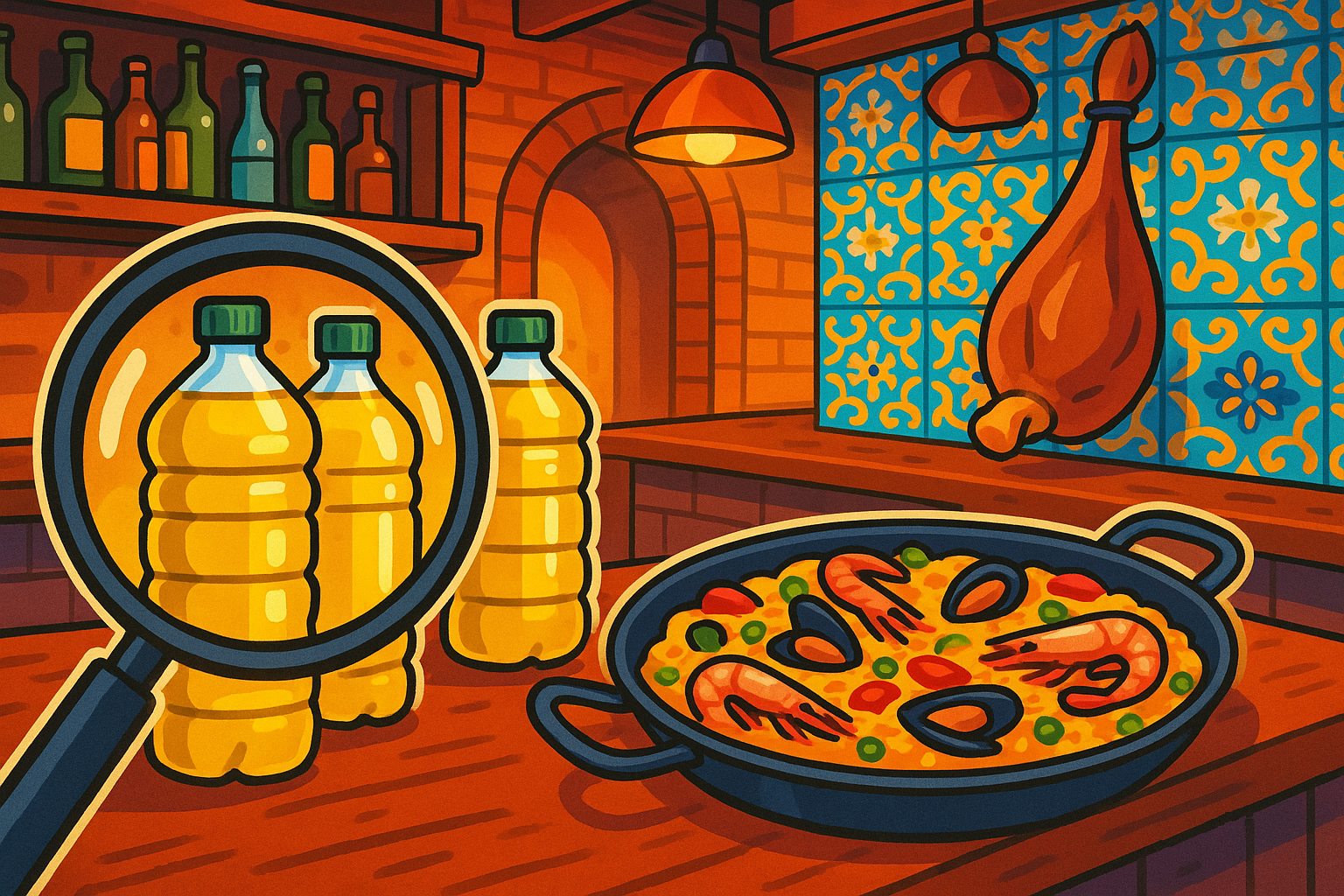
When traveling to Spain, you might wonder about the types of oils used in local cuisine. Spain is renowned for its use of olive oil, a staple in its traditional dishes and acclaimed for its health benefits. However, like many countries, Spain has also seen an increase in the use of seed oils such as sunflower and corn oil. These oils are often used in processed foods and some restaurants. Understanding the balance between traditional cooking practices and modern dietary trends is essential for travelers seeking to maintain their dietary preferences.
Traditional Cooking Oils
Spain's culinary identity is deeply intertwined with olive oil. Extra virgin olive oil, in particular, is a cornerstone of the Mediterranean diet, which is prevalent across the country. This oil is used in everything from salad dressings to sautéing vegetables and frying fish. The regions of Andalusia, Catalonia, and Valencia are especially known for their high-quality olive oils.
In addition to olive oil, lard and pork fat have traditionally been used in certain Spanish dishes, particularly in regions known for their pork products, such as Extremadura and Castilla y León. These fats are considered healthier alternatives to seed oils by many nutritionists. For further insights on animal fats, you can explore this article on beef tallow.
Modern Reality
Despite the strong cultural roots of using olive oil and animal fats, the modern food landscape in Spain, like elsewhere, is not immune to the influence of seed oils. Sunflower oil, for example, is widely used in the food industry for its affordability and neutral taste. It is commonly found in snacks, baked goods, and sometimes in restaurants for deep-frying.
Corn oil and soybean oil are also present, albeit to a lesser extent. These oils are often used in processed foods, which are increasingly consumed as lifestyles become busier. Travelers should be aware that while traditional dishes may use healthier fats, contemporary and convenience foods might not adhere to the same standards.
How to Avoid Seed Oils in Spain
If you are keen on avoiding seed oils during your trip to Spain, there are several strategies you can employ. Firstly, when dining out, opt for authentic Spanish dishes that are likely to use olive oil. Dishes such as gazpacho, paella, and tortilla Española typically adhere to traditional cooking methods.
It's also advisable to ask restaurant staff about the oils used in cooking, especially for fried foods. You can find more tips on avoiding seed oils in restaurants by visiting this guide.
Shopping at local markets can also be a great way to ensure the oils you're consuming are of high quality. Look for products labeled as "aceite de oliva virgen extra" (extra virgin olive oil) when purchasing oils for cooking or salads.
Best and Worst Regions/Cities
In terms of regions, Andalusia is a standout for its commitment to olive oil production and use. The region's cuisine heavily features olive oil, making it one of the best places for travelers concerned about seed oil consumption.
Catalonia and Valencia also have strong traditions of using olive oil, especially in their iconic dishes. In contrast, urban centers like Madrid and Barcelona may present more challenges due to the prevalence of international and fast-food chains, which often utilize seed oils for cost efficiency.
While you can still enjoy traditional Spanish cuisine in these cities, be vigilant about the types of restaurants you choose. Opt for local eateries that emphasize traditional cooking techniques.
The Bottom Line
Spain offers a rich culinary experience grounded in the use of olive oil, a defining aspect of its traditional diet. However, like many countries, the convenience and cost-effectiveness of seed oils have made them more prevalent in modern times. Travelers seeking to avoid seed oils should focus on traditional dishes, inquire about cooking oils in restaurants, and purchase high-quality olive oils when cooking for themselves.
For those traveling to Spain or any other region, knowledge and awareness are key. Download the Seed Oil Scout app for a handy guide to help you navigate your culinary choices and maintain your dietary preferences while exploring the world.