
🛡️ Trying to avoid seed oils? Seed Oil Scout has you covered.
2M+ downloads. 23K+ five-star reviews. Verified restaurant and grocery data so you always know what you're eating.
Quick Answer
Mexico is a mixed bag for seed oil avoiders. The country has one of the richest traditional cooking fat cultures in the world, centered on lard (manteca), but decades of government policy, American food industry influence, and urbanization have pushed industrial seed oils into mainstream use. Soybean oil and canola oil dominate commercial kitchens and processed foods. However, traditional cooking with lard and animal fats persists in many regions, especially in smaller towns, market stalls, and authentic taquerias. Knowing where to look can make Mexico a surprisingly good destination for clean eating.
Traditional Cooking Oils in Mexico
Mexican cuisine was built on animal fats, not seed oils. For centuries before and after Spanish colonization, the primary cooking fats were:
- Lard (manteca de cerdo): The cornerstone of traditional Mexican cooking. Authentic tamales, refried beans (frijoles refritos), carnitas, and countless other dishes depend on lard for their characteristic flavor and texture. Lard was so central to Mexican cuisine that it was practically a cultural institution.
- Beef tallow (sebo): Used for frying in many northern Mexican dishes and traditionally rendered at home. Tacos de sebo (tallow tacos) remain a specialty in some regions.
- Pork fat renderings: Beyond lard, various pork fat preparations were used throughout Mexican cooking, from chicharron (fried pork skin) to asiento (the caramelized residue from carnitas).
- Avocado: While not traditionally used as a cooking oil, avocados have been a significant fat source in the Mexican diet for thousands of years.
If you are interested in the health benefits of traditional animal fats, our article on whether beef tallow is healthy explains why these fats are being rediscovered.
The Modern Reality of Seed Oils in Mexico
The transformation of Mexico's fat landscape is one of the most dramatic in the world. Several forces drove the shift:
- NAFTA and American food industry influence: The 1994 trade agreement flooded Mexico with cheap American soybean oil. Combined with anti-fat messaging from the US, this accelerated the move away from traditional lard.
- Government health campaigns: Mexican health authorities, following American dietary guidelines, actively discouraged lard and animal fat consumption for decades. Vegetable oil was promoted as the "healthy" alternative.
- Urbanization: As Mexico urbanized rapidly, traditional cooking practices gave way to convenience. Bottled soybean oil and canola oil became pantry staples in urban homes.
- Cost: Industrial soybean oil is extremely cheap in Mexico due to American imports. For restaurants operating on tight margins, the economics are hard to argue with.
Today, the Mexican cooking oil market is dominated by:
- Soybean oil: The most common, sold under brands like Nutrioli, 1-2-3, and Patrona.
- Canola oil: Growing in popularity, marketed as a healthier option.
- Corn oil: Also common, sold under the Mazola brand and others.
- Blended vegetable oils: Generic "aceite vegetal" containing various seed oil mixtures.
However, the traditional fat culture has not been completely erased. In many parts of Mexico, lard remains essential, and there is a growing movement to reclaim traditional cooking fats.
How to Avoid Seed Oils in Mexico
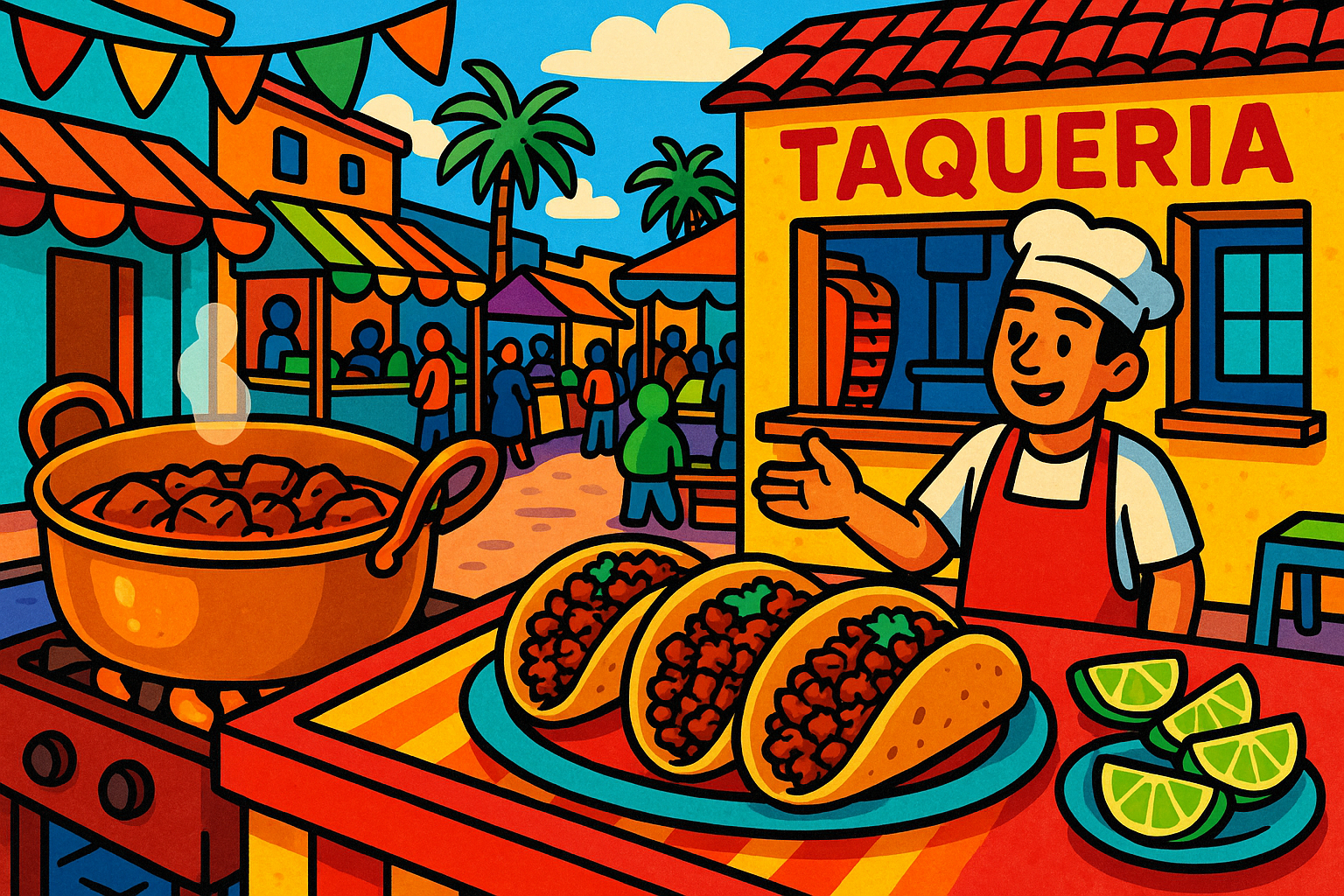
- Seek out market stalls and street food: Paradoxically, the most humble food vendors often use the most traditional fats. Market taquerias, carnitas stands, and tamale vendors frequently cook with lard and animal fats because that is how the recipes work.
- Ask "Usan manteca?" (Do you use lard?): At taquerias and traditional restaurants, asking about lard is completely normal. Many will proudly confirm they use manteca.
- Choose carnitas specialists: Authentic carnitas are braised in their own fat and lard. A dedicated carnitas restaurant is almost guaranteed to use traditional fats.
- Look for "estilo tradicional" or "receta de la abuela": Restaurants advertising traditional or grandmother's recipes are more likely to use traditional fats.
- Order grilled meats (carne asada, al pastor): Grilled and spit-roasted meats use minimal added oil. Tacos al pastor, carne asada, and barbacoa are generally safe choices.
- Be cautious with chain restaurants: Mexican chains like Vips, Sanborns, and international fast food all use industrial seed oils.
- Avoid "light" or "healthy" menu options: In Mexico, these often mean seed oils replaced the traditional lard. The irony is thick.
- Download Seed Oil Scout to find restaurants in Mexico that cook with traditional fats and quality oils.
For more restaurant strategies, read our guide on how to avoid seed oils at restaurants.
Best and Worst Regions and Cities
Best regions for avoiding seed oils:
- Oaxaca: One of Mexico's greatest food regions, Oaxaca maintains incredibly strong traditional cooking practices. Market food stalls use lard, and traditional moles are prepared with time-honored methods.
- Michoacan: The birthplace of carnitas, this state has deep traditions of cooking with lard and pork fat. Small-town taquerias here are a treasure trove of traditional fat-based cooking.
- Puebla: Famous for mole poblano and cemitas, Puebla's food scene retains strong traditional roots. Many market vendors and small restaurants still cook with manteca.
- Rural areas generally: Small towns and villages throughout Mexico are far more likely to maintain traditional cooking with lard and animal fats.
- Mexico City's traditional markets: Despite being a megacity, CDMX's mercados (like Mercado de la Merced, Mercado de Coyoacan) have vendors who cook traditionally.
Worst areas for seed oil exposure:
- Cancun and the Riviera Maya: Resort areas cater to international tourists and use industrial cooking oils almost exclusively.
- Los Cabos: Similar to Cancun, the resort infrastructure means seed oils dominate.
- Modern restaurants in upscale areas: Trendy restaurants in Polanco, Condesa, and Roma (Mexico City) often use "healthier" seed oils, moving away from traditional lard.
- Fast food and convenience stores: Oxxo stores, fast food chains, and gas station food all rely on seed oils.
- Supermarket prepared foods: Pre-made items from chains like Walmart, Soriana, and Chedraui use industrial oils.
The Bottom Line
Mexico is a country where traditional fat culture and industrial seed oil reality exist side by side. The tragedy is that one of the world's great lard-based cuisines has been significantly undermined by cheap imported soybean oil and misguided health advice. But the good news for travelers is that traditional cooking with manteca, tallow, and animal fats is alive and well, particularly in markets, street food, and regional restaurants outside the tourist bubble.
Your strategy in Mexico: eat at markets and traditional taquerias, ask about manteca, choose grilled and slow-cooked meats, and avoid resort restaurants and chains. The most authentic (and delicious) Mexican food is also the most likely to be seed oil-free.
Heading to Mexico and want to eat clean? Download Seed Oil Scout to discover taquerias and restaurants that honor traditional cooking fats. From Oaxaca's markets to Mexico City's best carnitas, find seed oil-free food wherever you go.